
Most people who consider applying for the Enterprise Fellowships programme are not lacking ideas. What they are lacking is certainty that their work has real-world potential. Certainty that they are “ready” to step outside academia. Certainty that they are the kind of person who can build a venture.
To explore what actually happens once you take that step, we recently spoke with two Enterprise Fellowship awardees who completed the programme just over a month ago. With the experience still fresh, they reflected on what surprised them most, what they would do differently, and what they would tell anyone currently standing at the edge of the decision.
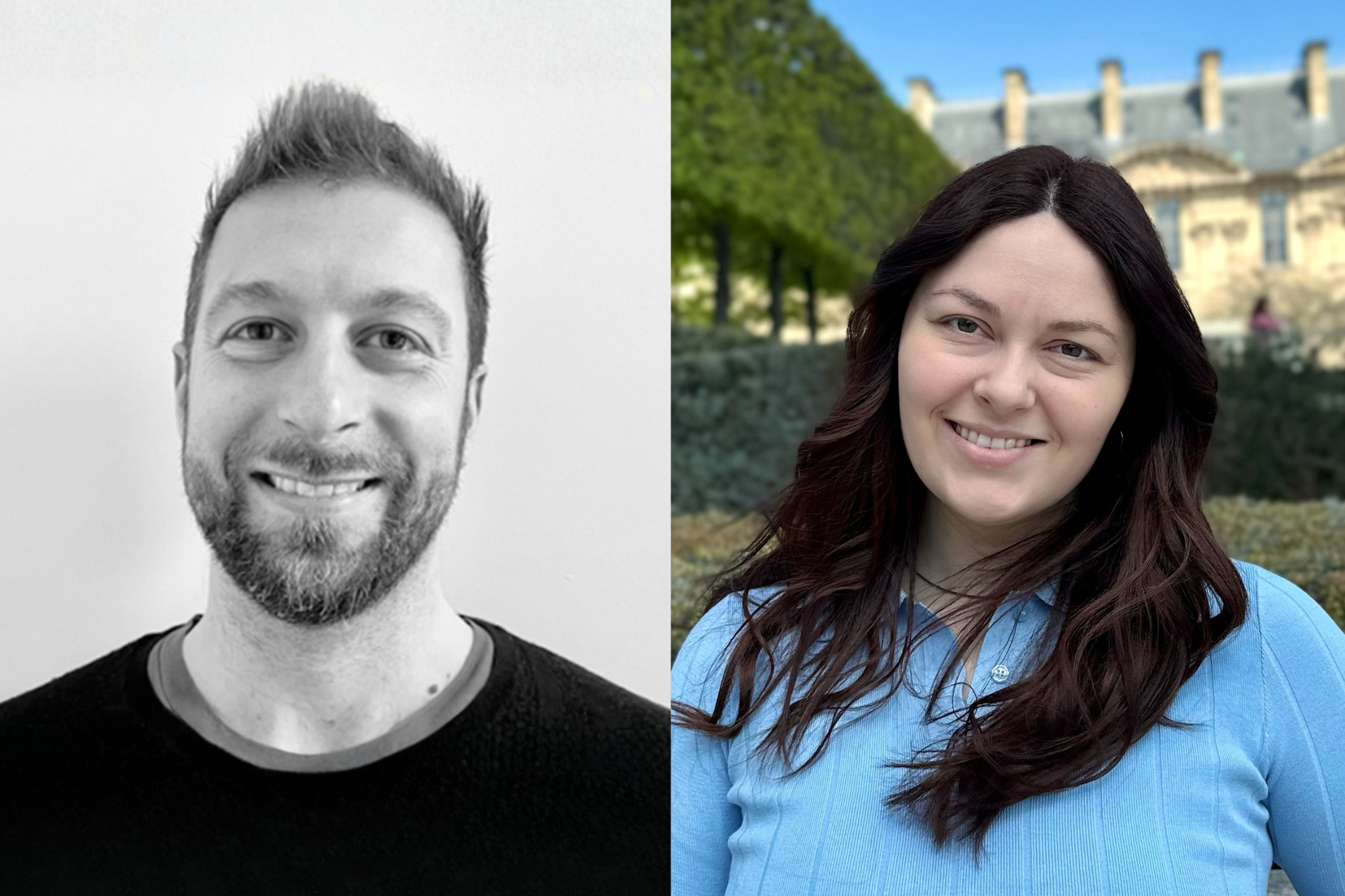
I learned that I was going be a hub member for life… through the Royal Academy [of Engineering] connection, it was very easy to get to people that otherwise you can send many emails to and not get a reply from.
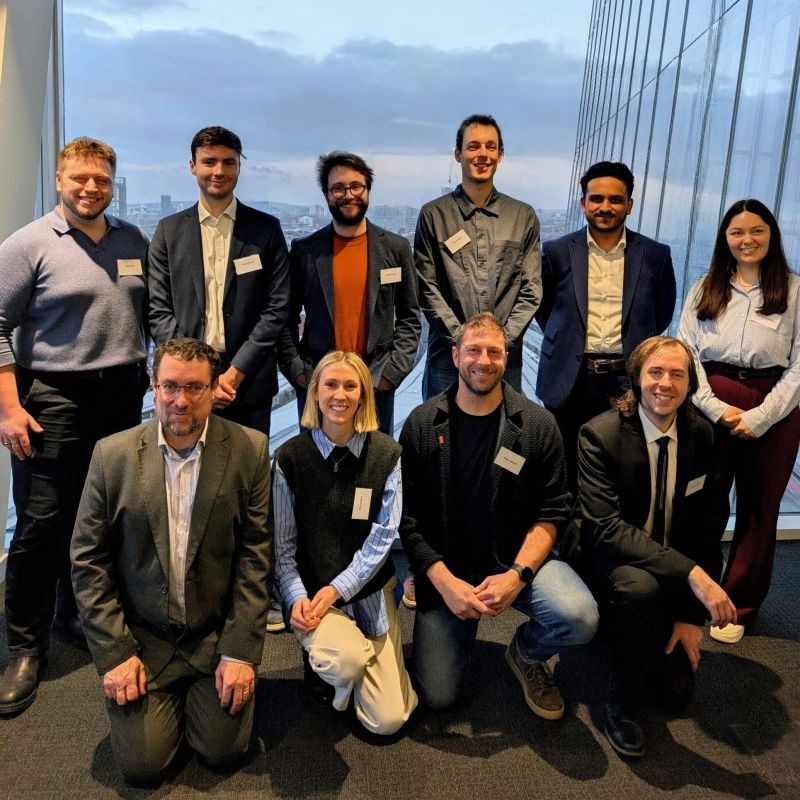
Time is not a nice-to-have. It is what makes progress possible
One of the first things both awardees highlighted was the length of the Enterprise Fellowships programme. Not because it sounds impressive on paper, but because of what that time allows you to do properly.
In the early stages, you are not just developing technology. You are learning how to validate a market, test assumptions, build relationships, and make decisions with incomplete information. Those things rarely happen quickly.
The structure of the programme gives awardees space to learn and apply at the same time. Ideas are not left as theory. They are taken into the real world, challenged, reshaped, and strengthened.
For early-stage founders, this matters. The biggest risk is not that an idea fails. It is that it never gets enough exposure to reality to succeed.
The unexpected value of belonging and support
Both speakers spoke about the strength of the network, but what stood out was how human that support felt.
Dario described becoming part of a community that does not end when the programme finishes. Being an awardee means ongoing access, shared experience, and the ability to reach people more easily through trusted connections.
Magdalena highlighted the impact of coaching, particularly early on. Beyond business frameworks, coaching helped her to develop confidence and clarity in her leadership. That personal development, she noted, shaped how she now thinks about building a team and leading a company.
For many applicants, this is an overlooked benefit. Building a venture is not just a technical challenge, it is a personal one.
It's not easy to find an accelerator which is 12 months long, plus your salary being paid, plus some money being injected into your company… I think that was a no brainer for me.
What they would change, if they could start again
When asked what they would do differently, the reflections were honest and reassuring.
Dario said he would involve his co-founder more from the very beginning, rather than carrying the idea alone at first. He also said he would spend more time immersed with the cohort during training periods, recognising how valuable it was to be surrounded by others on the same journey.
Magdalena reflected that she would have learned more about the spinout process earlier, before fully scaling her involvement and team. The lesson was not about over-preparing, but about reducing uncertainty sooner so that decisions feel more intentional later.
These are not mistakes. They are signs of learning in motion.
You don’t find out if this is for you until you try
Both speakers came from academic backgrounds, and both acknowledged the weight of the decision to step into entrepreneurship.
Neither described the move as easy. Both described it as rewarding.
When asked whether they would return to academia, the answer was thoughtful but decisive. The pace, autonomy, and sense of building something tangible had changed how they saw their work and their potential.
On the question of whether it is possible to do this part-time, their view was clear. In the early stages, focus matters. Not because you need to work endlessly, but because you need the mental space to learn, adapt, and apply what you are discovering.
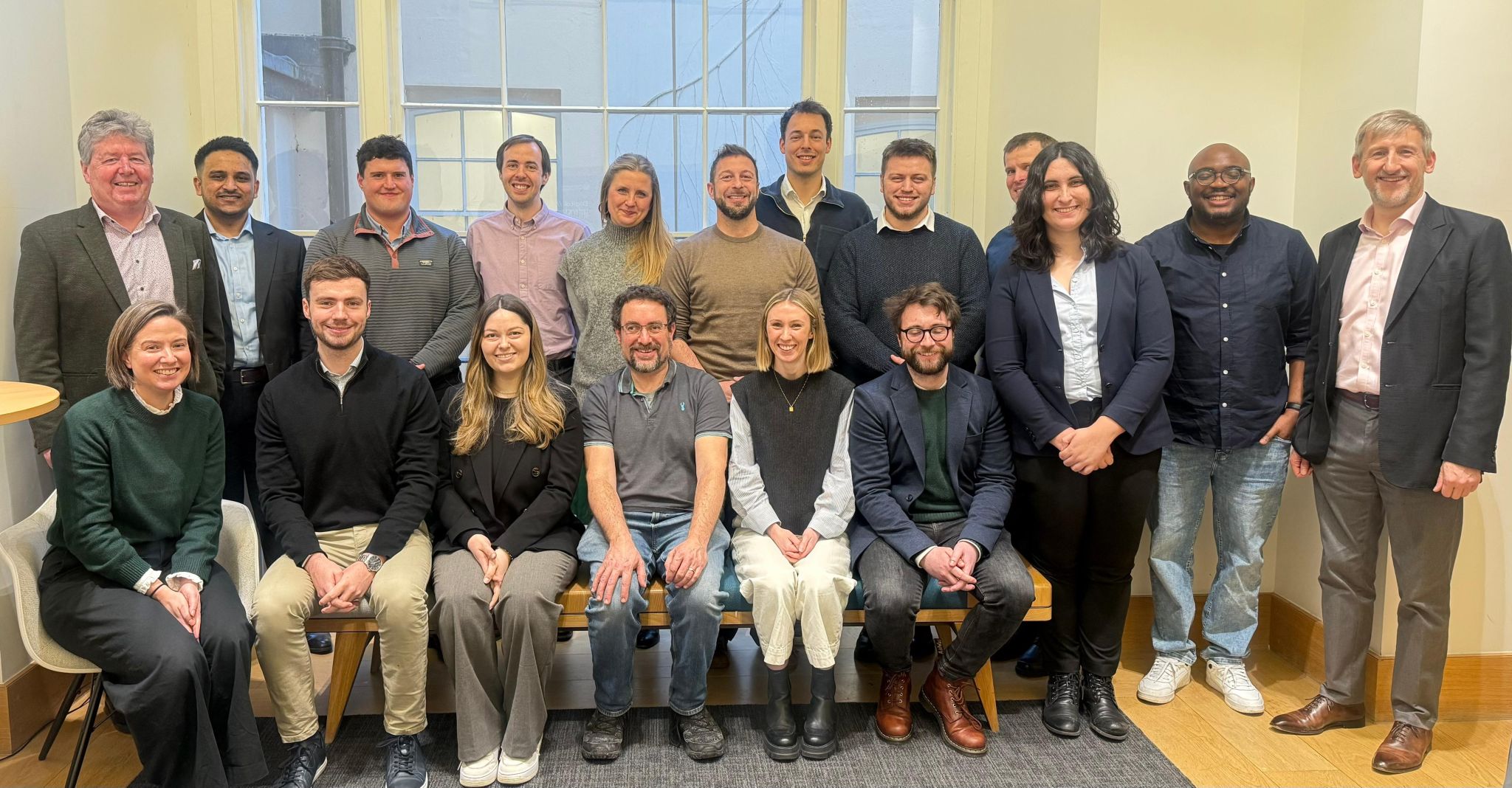
I really liked how everything was sequenced… we were also being held accountable for our tasks and our homework, which was definitely needed in terms of the actual business development side of things.
Advice for those still deciding
Their final advice was simple, and perhaps the most important.
You do not need to feel ready. You learn by doing. You grow by testing your assumptions. And if an application does not succeed the first time, feedback becomes a tool, not a verdict. Talk to customers early. Be honest about what you know and what you do not. And allow yourself to explore the possibility fully, rather than waiting for certainty that may never come.
For many awardees, the application itself is the first step in clarifying whether an idea can become something more. Sometimes, the decision that changes everything is simply choosing to apply.
Browse more
Watch the full conversation online (YouTube)The Entrepreneur's Handbook
A practical guide for aspiring academic entrepreneurs to understand and navigate the spinout process.
Enterprise Fellowships
Turn your engineering innovation into a successful company The round is now closed Get In Touch