
With more than 3.5 billion people projected to need assistive technology (AT) by 2050, the challenge is no longer a lack of innovation, but ensuring effective solutions reach the people who need them. Despite growing demand, 90% of those who could benefit from AT are expected to go without. Achieving meaningful adoption requires founders to build the right partnerships, gain access to real-world testing opportunities, and understand the ecosystems in which their technologies will be deployed.
To help bridge this gap, the Royal Academy of Engineering and the Global Disability Innovation Hub joined forces through the AT2030 programme to deliver Advance 2026. The programme brings together entrepreneurs working on a shared challenge, providing tailored support to help their innovations gain traction and scale. With the theme for Advance 2026 being 'Accessibility, Assistive and Inclusive Technologies'.
This summer, the cohort travelled to the UK to deepen their understanding of the accessibility, assistive and inclusive technology landscape, build relationships with potential partners, and accelerate the growth of their ventures.
Advance 2026 awardees benefited from expert mentoring, peer support, business development training, one-to-one coaching, a two-week UK residential, and dedicated support to help scale their ventures and enter new markets.
The programme combined a structured journey of onboarding, mentoring, online learning sprints and an intensive UK visit focused on one goal: helping promising innovations become solutions that people actually use.
Adoption starts with relationships
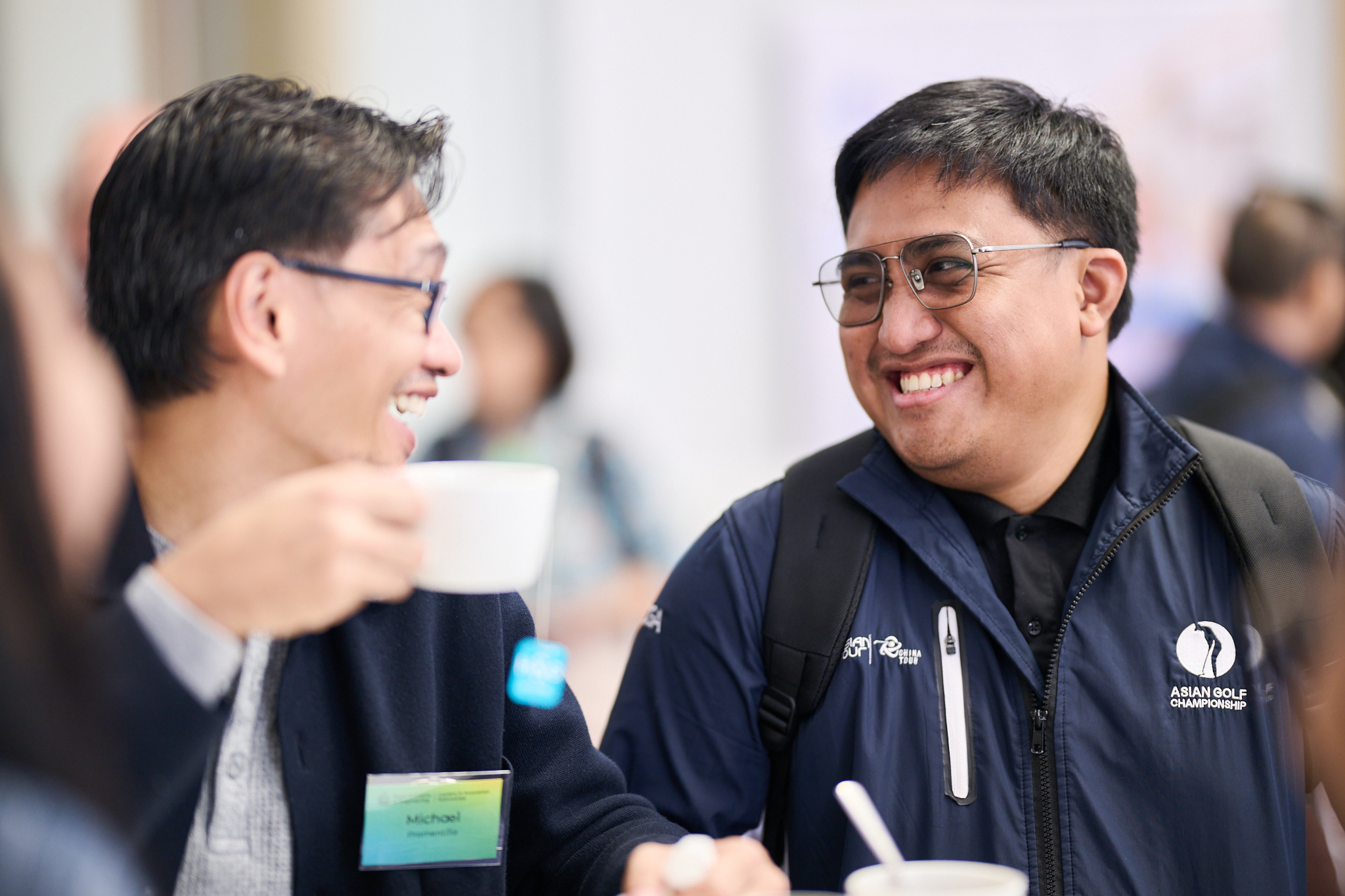
For many founders, the most valuable outcome was not a business model or investor pitch. It was the relationships they built.
Throughout the UK residential trip, founders connected with fellow entrepreneurs, investors, academics, clinicians, government representatives and industry leaders. These interactions created a powerful peer network, with several founders already exploring collaborations beyond the programme.
“The founders sharing session, I really loved that.”
“(A highlight was) the last session with this amazing and lovely cohort of fellow founders.”
In the AT sector, trusted relationships can be just as important as the technology itself, helping founders connect with users, partners and markets that can accelerate adoption.
Connect founders to the right people
Intentional networking was a key focus throughout the programme and reflects one of the Enterprise Hub's greatest strengths: its ability to connect innovators with the people who can help them succeed. Founders were encouraged to identify who they wanted to meet, why those connections mattered, and what they hoped to achieve. This targeted approach helped turn introductions into tangible opportunities, from strategic partnerships and pilot projects to potential customers and investors.
Through a combination of founder-led outreach and warm introductions from the programme team, participants met potential partners, customers and decision-makers across the UK.
The impact was immediate:
- One founder secured an agreement to pilot their service across a UK county.
- Three founders were nominated for the Tech4Good Awards, with two receiving awards.
- Others explored partnerships, distribution opportunities and routes into new markets.
These experiences reinforce the importance of targeted ecosystem engagement. Early-stage innovators need support that helps them identify relevant stakeholders and create meaningful pathways to engagement.
Put innovations in front of users early
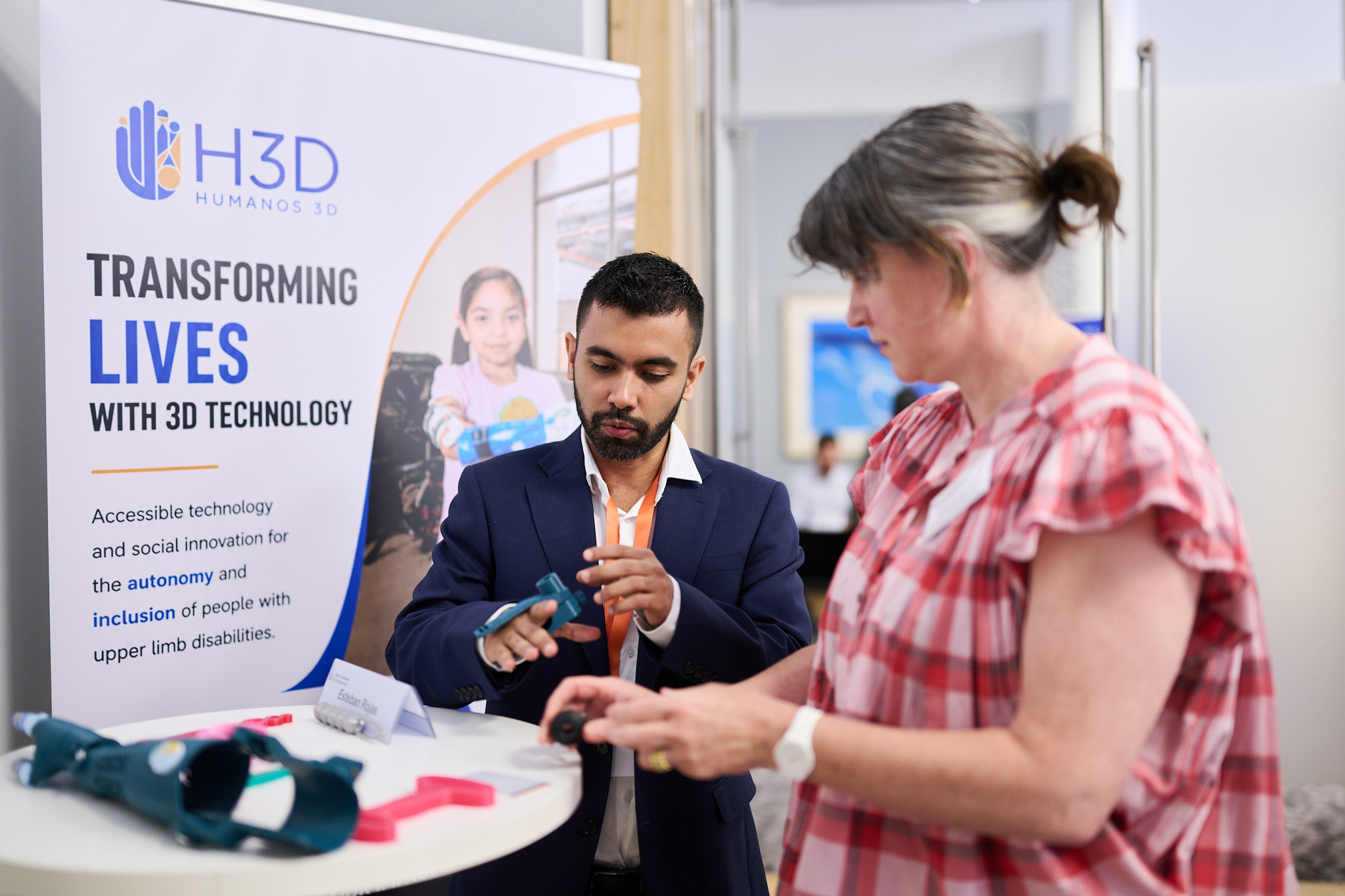
One of the strongest drivers of adoption is direct exposure to end users. For Assistive Technology innovators, these real-world demonstrations and pilot opportunities are often critical milestones. Adoption happens more readily when organisations can test solutions within their existing systems and see evidence of impact for themselves.
Five founders showcased their products at an event focused on technologies supporting disabled children in education, engaging with teachers, therapists, parents and children.
Most significantly, every founder who pitched to CENMAC, a specialist support and advisory service, secured a pilot opportunity. This not only validated the strength of their solutions but created a direct pathway to end-user adoption, helping transform promising innovations into technologies that can deliver real-world impact at scale.
Create spaces for shared learning
Innovation adoption is rarely a one-way process in which entrepreneurs simply present a solution and wait for users to engage. Instead, successful adoption depends on continuous learning between innovators and the wider ecosystem.
During the residential, founders participated in a knowledge exchange event bringing together academics, government representatives, businesses and sector stakeholders. The discussions allowed founders to contribute their expertise while learning from others working on similar challenges. Importantly, the conversation moved beyond individual products to consider broader systems-level barriers and opportunities.
Build confidence, not just products
A great solution still needs a founder who can clearly communicate its value and through the Advance 2026 programme, founders strengthened their ability to engage investors, customers, and partners.
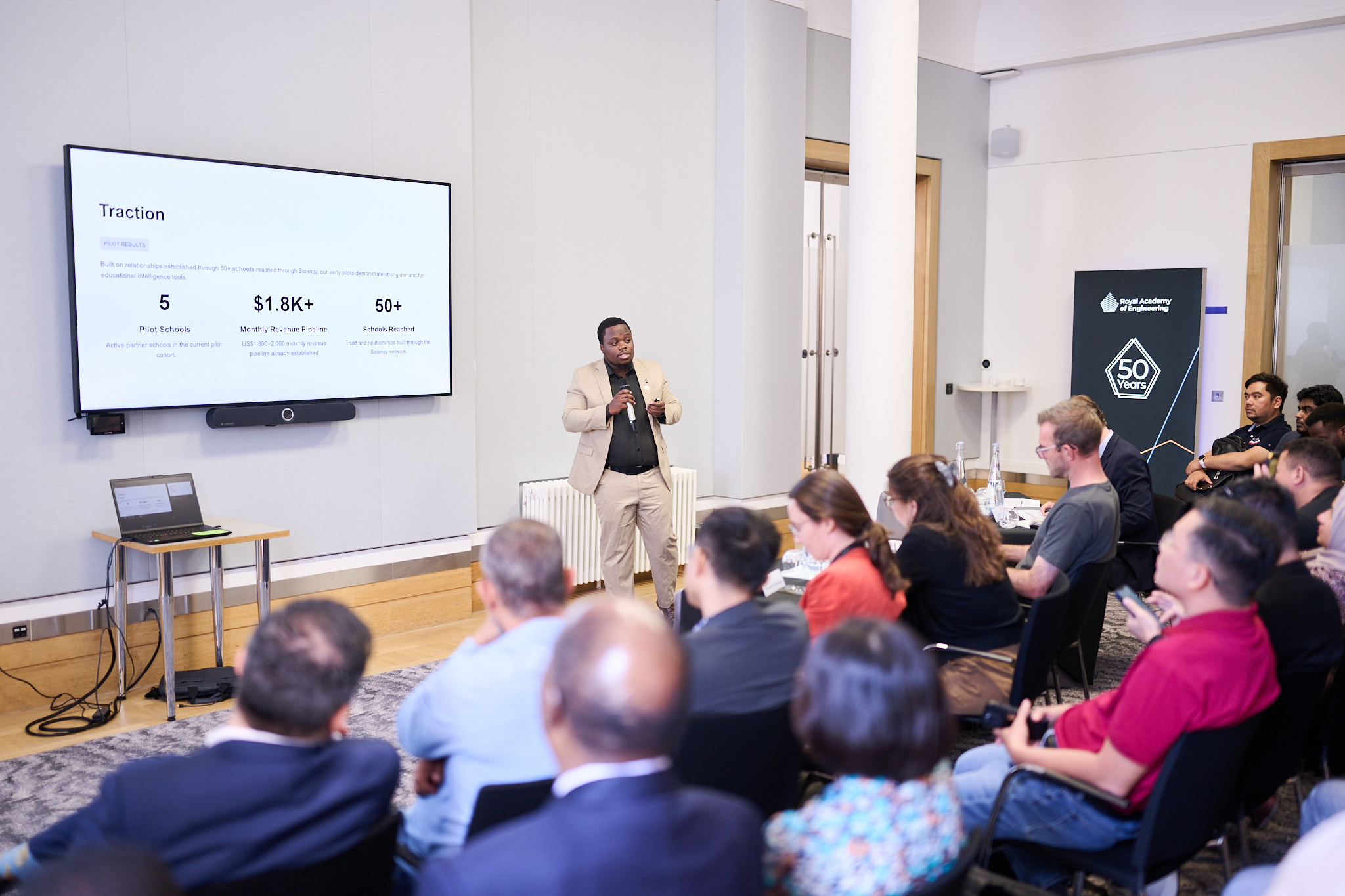
At the residential's Pitch Day, founders presented their ventures to investors and industry experts, receiving detailed feedback and making valuable sector connections.
“Feeling confident after the pitch training.”
“Judges feedback was a highlight.”
Confidence and communication are often overlooked, but they are critical to building trust and driving adoption.
Designing for inclusion
The programme itself was designed to reflect the values of the Assistive Technology sector. Accessibility considerations were built into every aspect of the residential, from venue selection, and wheelchair access to accommodating religious practices and individual participant needs.
This helped ensure every founder could participate fully while reinforcing a core principle of successful innovation: inclusion must be intentional.
The key takeaway
The experience of Advance 2026 suggests that early-stage assistive technology innovations are most likely to be adopted when founders are supported to:
- Build strong networks and partnerships.
- Engage directly with users.
- Test solutions through pilots and demonstrations.
- Learn from a wider ecosystem of stakeholders.
- Develop the confidence to communicate their value.
- Design with inclusion from the outset.
The founders who gained the most value from the programme were not only refining their products; they were building relationships, testing solutions with users, engaging with ecosystem stakeholders, strengthening their communication skills and developing a deeper understanding of the markets they hoped to enter.
About Advance
Advance is the Royal Academy of Engineering’s international Scale Up pathway. Each year it focuses on a different theme to bring together a tailored cohort for a 9-month programme
Advance re-opens for applications in early 2027.
Browse more
Watch the full conversation online (YouTube)The Entrepreneur's Handbook
A practical guide for aspiring academic entrepreneurs to understand and navigate the spinout process.
LIF Advance FAQs
Frequently asked questions about LIF Advance.
LIF Advance applications
Apply to the Advance programme to rapidly scale and internationally expand your customer-validated product.