
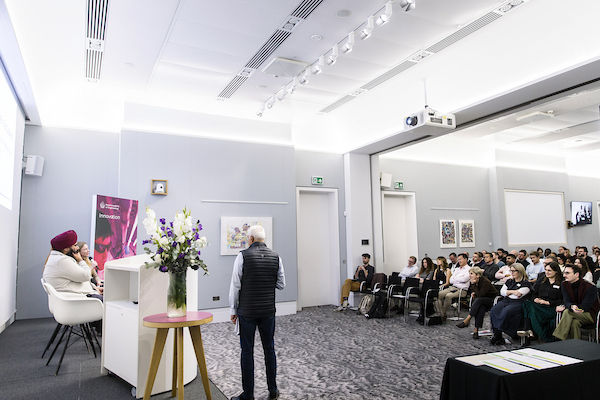
We pulled together a panel, drawn from our Shott Scale Up Accelerator community of senior leaders and founders, to explore a topic that every entrepreneur faces sooner or later: how to build resilient companies through uncertainty, pivots, and growth.
Drawing on years of collective experience - from deep tech spinouts to climate tech ventures, the discussion surfaced a series of hard-earned lessons about what it really takes to find product–market fit, scale responsibly, and stay the course.
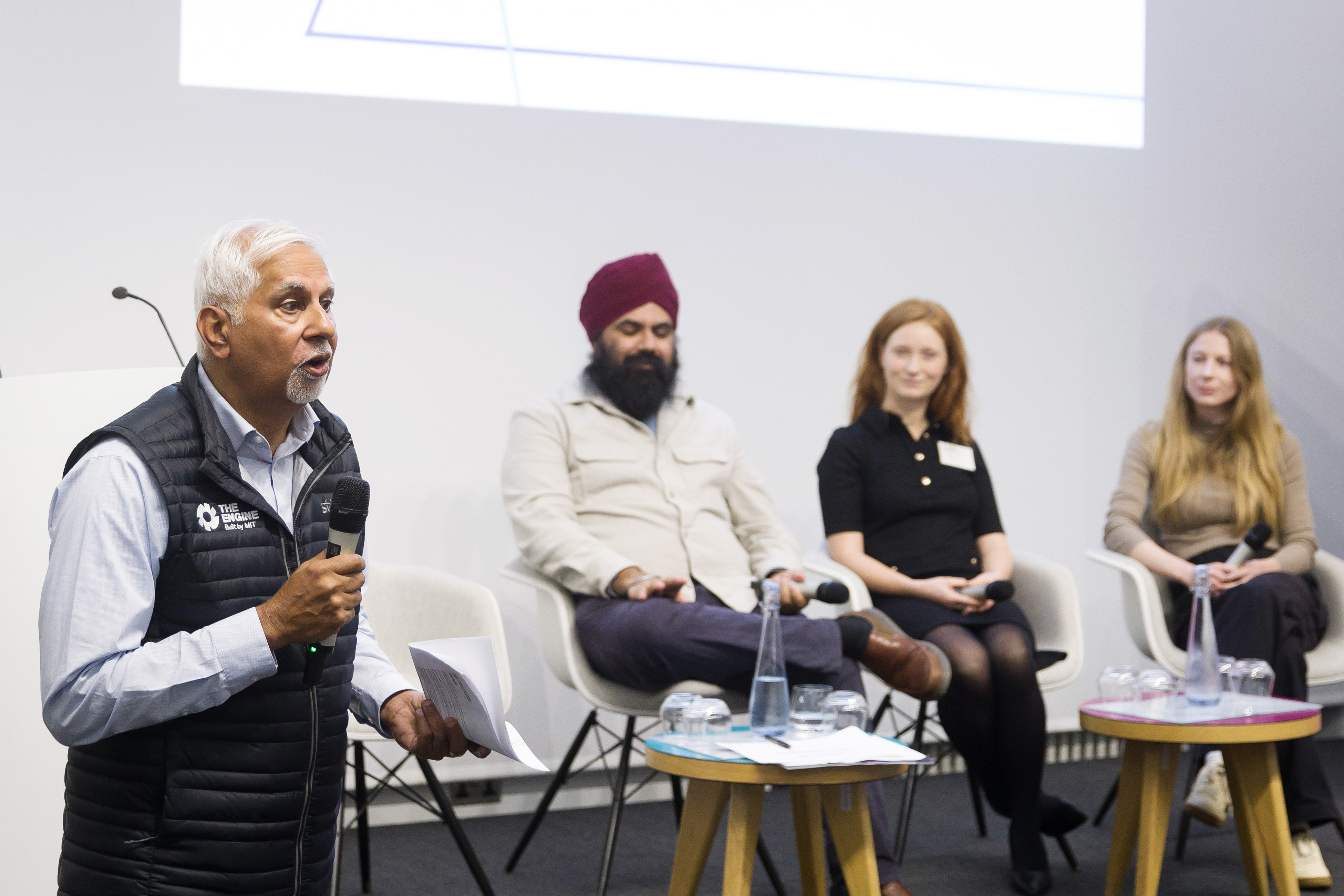
When you raise a lot of money, the temptation is to grow quickly. But the best way to build resilience is to stay lean.
The conversation was chaired by Vinit Nijhawan, a member of our Enterprise Committee and Managing Director at Mass Ventures. Vinit was former head of the technology development at Boston University and has founded and led several deep tech companies acquired by global firms such as Boeing and Qualcomm.
He was joined by three panellists who know the messy reality of growth first hand:
- Dr Eloise Taysom, who has shaped products and teams at Microsoft AI, Bud Financial and Zoa;
- Claire Trant, founder of Untap Health, who turned wastewater innovation into real time disease detection used across the UK;
- Dr Amrit Chandan, Forbes 30 Under 30 entrepreneur, exited climate tech founder of Acceleron and now building Gauge19.
Rather than replay success stories, they spoke openly about tuning in to product market fit, hiring and culture, leadership changes and the emotional work of staying the course when things are hard.
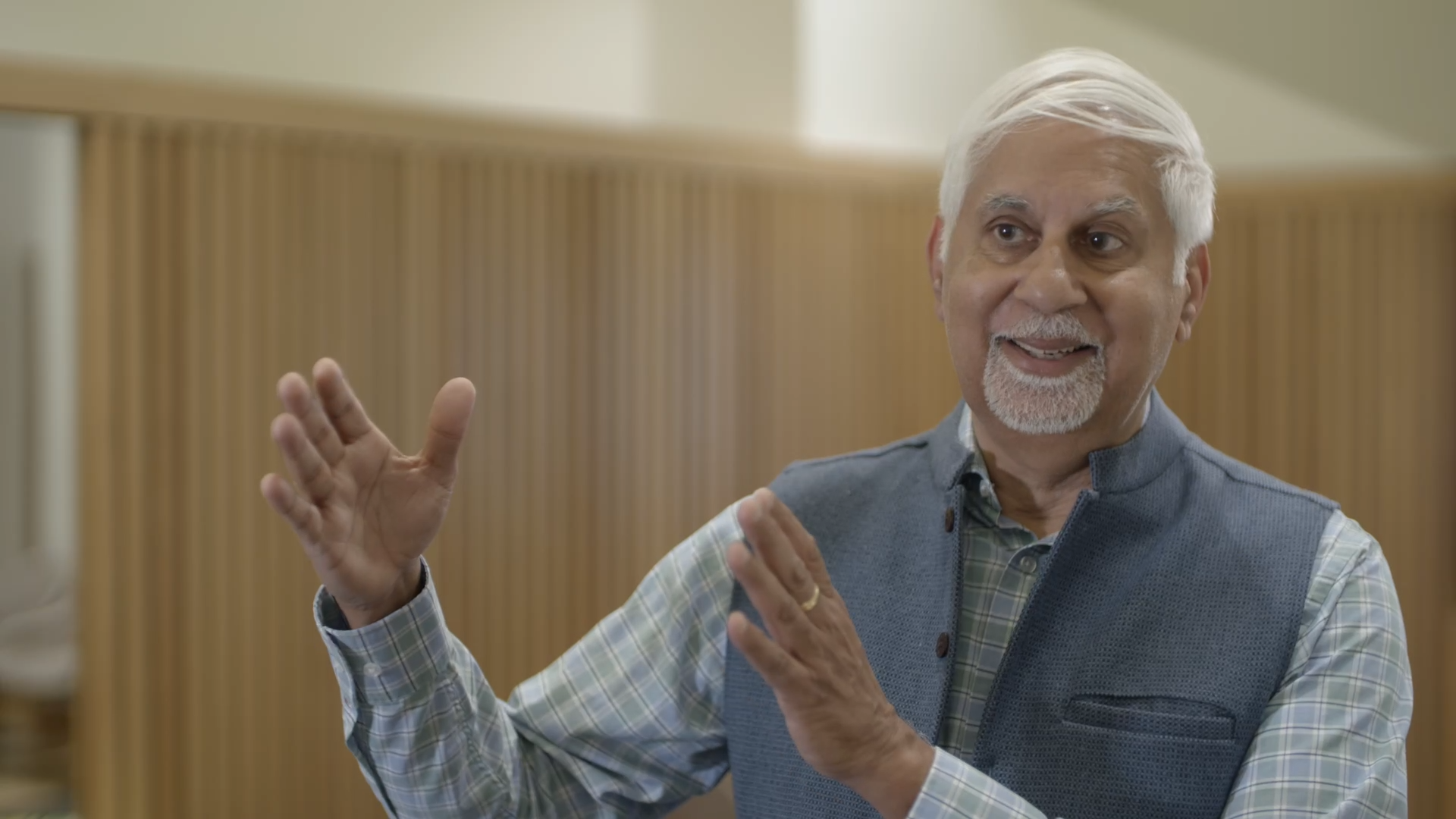
Vinit Nijhawan, Managing Director at Mass Ventures
1. Product-market fit is not a formula
For many founders, product–market fit feels like a milestone you can plan for. In reality, it’s a process of intuition, experimentation, and hard evidence.
Eloise Taysom, shared her experience joining a startup that believed it had already found product–market fit, only to discover that wasn’t the case. “You go in and realise the big question isn’t about scaling,” she said, “it’s whether you’ve really found the right problem to solve.”
Her approach was to dig deep into customer conversations, test assumptions, and identify where genuine traction existed. The result was a major pivot in both product strategy and organisational structure, a reminder that clarity often follows discomfort.
Key takeaway: True product–market fit feels like momentum you can’t stop. Not effort you constantly have to push uphill.
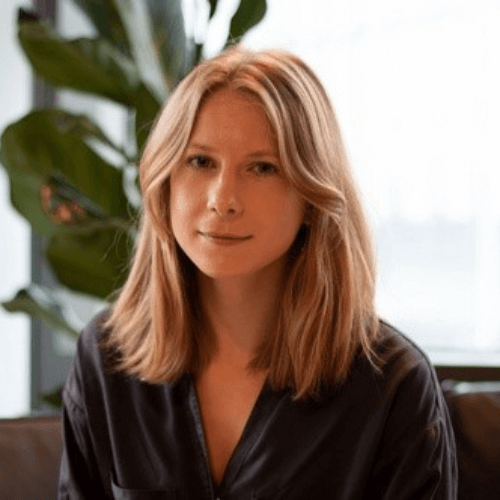
Dr Eloise Taysom, Director at Microsoft AI
2. Start with the problem, not the technology
For deep founders, it is very tempting to lead with innovation rather than need. Claire Trant shared how her infectious disease detection startup initially did just that.
“We were so proud of our tech, but no one cared.”
The breakthrough came when an investor challenged the team to change the story. Instead of talking about features, they started talking about health outcomes and the human stakes. That simple reframing changed the conversations they were having. People first understood why it mattered, then asked how it worked.
“Now people ask how we do it, not why they should care,” she said.
That customer-first mindset turned a brilliant piece of engineering into a scalable business.
Key takeaway: Don’t sell the tech. Sell the pain you solve.
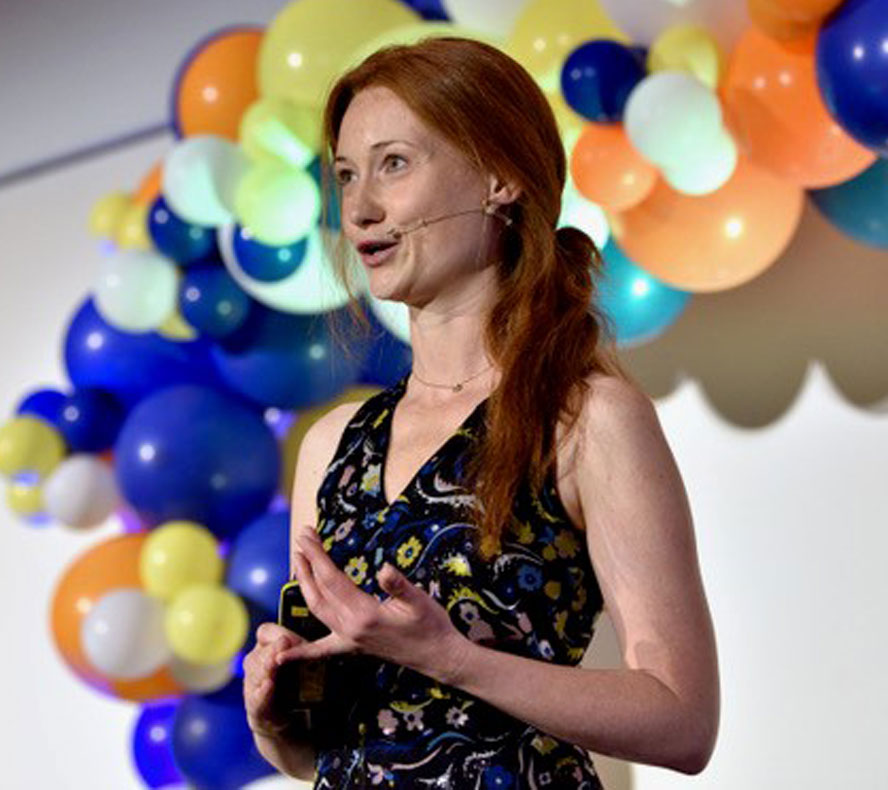
Claire Trant, CEO and Co-founder of Untap Health
3. Resilience comes from staying lean
Venture capital can accelerate growth, but it can also tempt teams to move faster than their understanding and erode resilience.
Amrit Chandan, a founder who exited his battery innovation company to an Indian partner, cautioned against equating funding with progress. “When you raise a lot of money, the temptation is to grow quickly,” he said. “But the best way to build resilience is to stay lean.”
Vinit Nijhawan echoed this sentiment. He compared it to tuning an analogue radio: “Once you’re on the right frequency, that’s when you turn up the volume. Otherwise, you’re just amplifying noise.”
In company terms, that means holding on to a lean mindset for longer than feels comfortable. Extending runway, making careful hires, testing the business model and culture before you scale it.
Key takeaway: Capital is fuel, not direction. Find your signal before you turn up the volume and scale
Once you’re on the right frequency, that’s when you turn up the volume. Otherwise, you’re just amplifying noise.

Dr Amrit Chandan, founder Gauge19
Scaling is as much about resilience as it is about success. And resilience is a muscle that grows in community.
4. Founders need emotional endurance, not just strategy
The conversation wasn’t just about business models; it was also about mindset. Exits, pivots, and crises all test a founder’s identity as much as their company’s.
“When you build something for years,” said Amrit, “you’re self-actualising at a deep level. Selling your company can feel like driving a wrecking ball through everything you’ve created.”
This emotional resilience - the ability to keep perspective through cycles of success and setback - was echoed by all the panellists.
“Scaling is as much about resilience as it is about success. And resilience is a muscle that grows in community.”
Key takeaway: Founders who thrive are those who build support systems: mentors, peers, and networks, that strengthen them through the unpredictable.
5. Scaling is about timing, not speed
The conversation closed on a simple but important idea. Scaling is not a race; it is a rhythm.
The best founders do not move at the fastest possible speed at all times. They learn when to pause, when to reflect, or to look back again at why they started. They resist pressure, whether from investors, markets, or their own ambition, to move faster than their business allows. They build teams, capital, and products that can flex and adapt as the company evolves.
As the discussion closed, one simple truth stood out: sustainable scaling comes not from constant acceleration, but from knowing when to pause, refocus, and rebuild. Scaling requires ambition, but it also requires the courage to say ‘Not yet’, or ‘not like this’.
In summary
The Enterprise Hub community now includes hundreds of like-minded founders across the UK, from spin outs to scale ups. The panel at this year’s graduation was a reminder that behind the 600+ founders we have supported this year, there are very human stories of doubt, perseverance and renewal.
For the founders in the room, the message was both grounding and encouraging. Resilience is not about never falling. It is about how you rise, what you learn and who you build around you so that you can keep going.
Scale up with the Enterprise Hub accelerator
Ready to scale? If you are a senior leader within an ambitious company, we can help you drive growth, via leadership development and community. Read more about our Scale Up Accelerator.
Browse more articles
Raising, Regulation and Risk
We partnered with Sifted to pull together an expert panel to dig into some of the challenges raised in our recent Royal…
Scaling Ambition: Shott Scale Up Accelerator alumni share lessons in leadership
The Shott Scale Up Accelerator is designed to elevate senior leaders and founders in high-growth UK engineering and tec…