
Turning a promising idea into a viable business can be a lonely and uncertain journey, particularly for mid-career engineers and technologists stepping into entrepreneurship for the first time. The Regional Talent Engines programme is designed to change that, equipping innovators with the skills, confidence and community they need to move from concept to commercial reality.
In a recent conversation, founders at different stages of that journey shared their experiences of the programme. Andre Yeung, founder of Northern Informatics Ltd, Jonathan Quinn, founder of Breaking Change and Claire Brannigan, founder of SkinAkin, who are all part of the Regional Talent Engine Alumni, and Devon Page, founder of WorkflowMaps and a member of the current cohort, reflected on what the programme has meant for their ventures and personal growth.
Their stories reveal a common theme. With the right support, structure and peer community, an early-stage idea can quickly gain momentum. For anyone considering applying, their message is clear: commit fully, act on what you learn, and the programme can help transform both your innovation and your confidence as a founder.
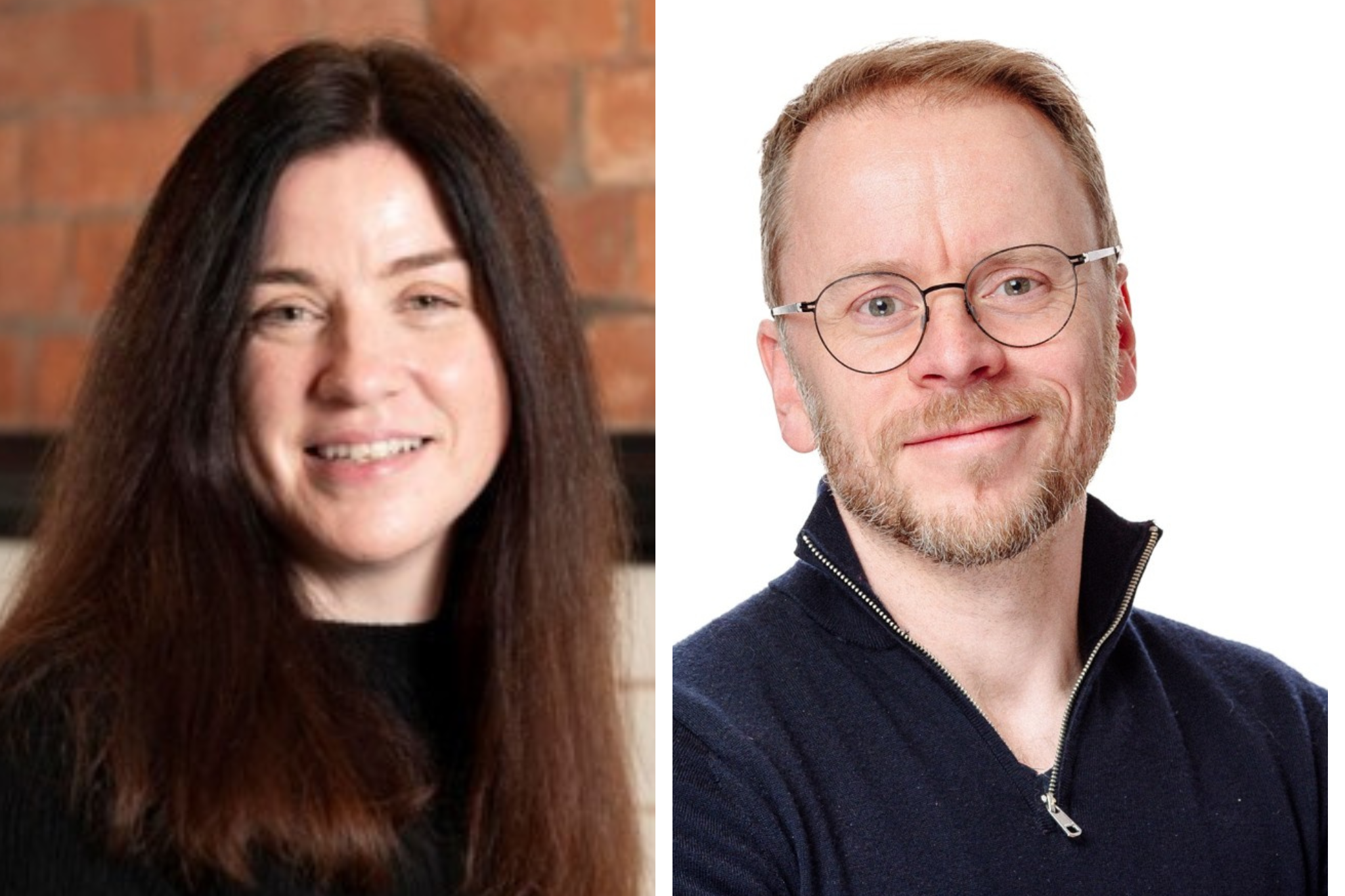
That level of peer support, and having the support from the Academy, is really valuable to development.

The support that the programme provides does make a real difference. The funding gave me the financial space to focus 100% on the business and drive it forward.
Determination breeds success
A pharmacist by training and former NHS worker, Andre left his role to pursue health‑tech innovation full‑time. A bold decision that many innovators face when taking their ideas forward. With the support of the programme, Andre was preparing for product launch within 12 months.
His experience mirrors that of many founders who make similarly significant, and often difficult, decisions when developing early-stage ideas.
Claire also left her full-time job and took a chance with applying to the programme. She was stuck navigating the familiar challenge many innovators face: how to make their idea a reality. She praised the programme’s structured approach and financial support, which helped her bridge that gap.
For Andre, the in‑person workshops were transformative to his product progress. They offered him dedicated time away from operational tasks, and a rare chance to focus solely on the venture he wanted to build. Workshops in design thinking, marketing, finance and customer development allowed him to deconstruct his idea, rebuild it with more precision, and understand how it could grow.
Community is key
One theme that echoed across the alumni is the power of your cohort and community. For many founders, the early stages of innovation can feel isolating, and that’s where the programme steps in as a helping hand. Being surrounded by other innovators who understand the same pressures can be a crucial source of encouragement.
Jonathan described the cohort as a space where shared challenges become shared strengths. His peers helped him refine his thinking and gain confidence in this innovation direction:
“It helps to be around people with the same challenges. Don’t just consume the programme, contribute to it.”
Active contribution and mutual support create an environment where innovators can discuss ideas openly, receive honest feedback, and learn from one another.
For Claire, the network of peers and experts was integral in moments where she felt stuck. Being able to discuss problems, compare approaches and receive encouragement helped her build resilience and confidence.
“That level of peer support, and having the support from the Academy, is really valuable to development.”
One of the strengths of the programme lies not only in the quality of its learning contents, but in the community it cultivates.
The sessions were intense but so informative, I could take myself out of the business and really focus.
Drive your own progress
Progress accelerates when participants take ownership of their learning. The programme aids individuals, but the real shift happens when innovators use each session as a catalyst to drive their work forward.
Devon found this proactive mindset essential. Before joining the programme, he found himself at a standstill with his idea. Unsure how to turn it into something tangible, he turned to the programme for clarity:
“I had this idea, but I didn't really have the means of being able to do anything with it. When I came across Regional Talent Engines, it gave me an opportunity to be able to develop this idea that I had and I did.”
By taking charge of the progress, Andre found the programme became a powerful source of clarity, helping him see what was possible. He emphasised that real growth happens when you translate theory into practice and use each insight as a stepping stone to elevate your performance:
You get what you put in, give it 100%.
What future applicants should know
Alumni and the current cohort describe Regional Talent Engines as the spark that turns early ideas into real momentum. Through the combination of structure, community and hands-on learning, founders find something just as key: a renewed confidence in their idea, and in their ability to execute it. As Devon put it:
“You have a lot to look forward to if you’re accepted.” - Devon Page
Find out more about our early-stage support for mid-career engineers.
Contact the team for more information
Senior Programme Manager for Regional Talent Engines, Sarah Gummer
Regional Talent Engines Programme Manager for the North West and Northern Ireland, Lee Gosling
Regional Talent Engines Programme Manager for the North East and Yorkshire and Humber, Dale Woods
Browse more
The Entrepreneur's Handbook
A practical guide for aspiring academic entrepreneurs to understand and navigate the spinout process.
Enterprise Fellowships
Turn your engineering innovation into a successful company The round is now closed Get In Touch