
Founder equity isn't just about percentages
One of the most common assumptions in university spinouts is that founder equity should be fair. Agree who was involved, divide the shares, and get on with building the company. My experience suggests the reality is rarely that straightforward. What is fair is nebulous.
Through supporting researchers via the Royal Academy of Engineering's Enterprise Fellowships programme, I've reviewed nearly six hundred founder cap tables. I've seen teams succeed because equity reflected future commitment and leadership. I've also seen promising companies stall because decisions made at formation did not reflect who was actually building the business.
This year's Spotlight on Spinouts report is the first in the series to examine founder-to-founder equity. Its findings reinforce something I've observed for years: the question isn't whether equity should be equal or unequal. The question is whether it is fair, explainable and aligned with the future of the company.
For all the obsession with founders, what matters is not who founds the company, but who grows it.
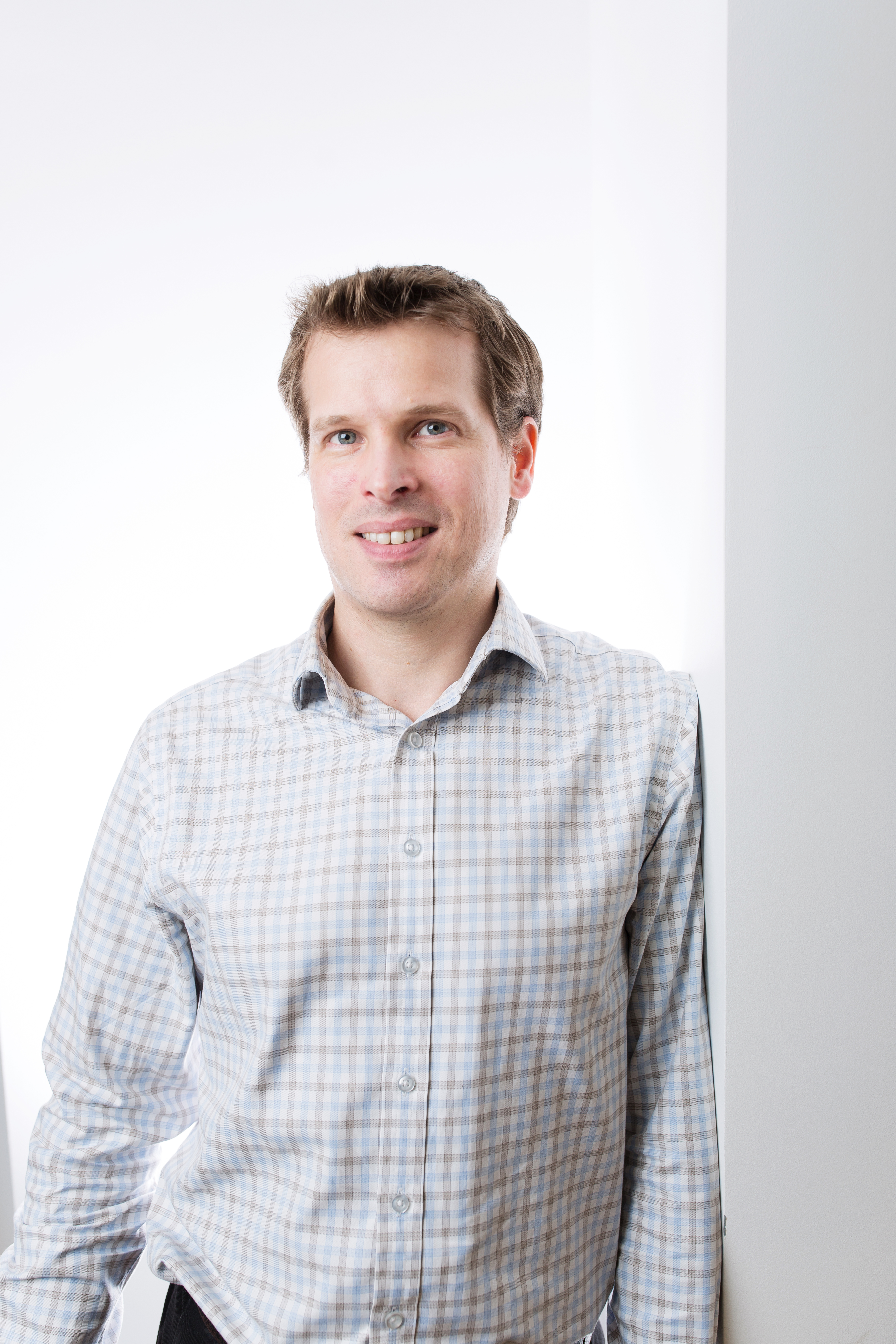
Angus Baker, Principal Consultant, Commercialisation
Why founder equity deserves more attention
For years, conversations about university spinouts have centred on university equity. That debate has been important and the sector has made real progress. Average university equity stakes have fallen to 16%, the lowest level recorded in a decade, and within Enterprise Fellowships, we've seen similar improvements. The days of universities expecting 50% are thankfully long gone.
But while university equity has received deserved scrutiny, founder equity has remained a blind spot. Yet it is founder equity that often shapes leadership, incentives, investment readiness and the long-term resilience of a company.
The conversation that changed my thinking
Not long ago I was asked to advise an awardee from another Academy programme. We reviewed the university licence terms and equity position. They were towards the higher end of what we typically see, but they were workable.
The issue wasn't the university.
The founders had agreed to split the remaining equity equally. The post-doc would join the company full time, the supervisor and lead inventor would largely stay in academia. To many it looks fair on paper. Those are both valuable contributions, but they are different contributions, which immediately raise two questions I've encountered repeatedly through Enterprise Fellowships, often with negative consequences for the company: First, who gets the deciding vote when they disagree on strategy, the senior academic pursing a research career who is used to being in charge, or the junior entrepreneur embedded in the business who is talking directly to customers. Second, will all parties still see the split as fair many years later, or will resentment form when the reality hits them that a business requires so much more than the initial patent?
Repeatedly seeing these situations play out led us to introduce two changes within Enterprise Fellowships. First, we ask that the lead founder holds the largest equity stake – we take this as evidence of authority. Second, applicants submit a proposed cap table alongside how much time each founder expects to commit to the company so reviewers can better understand whether ownership reflects future responsibility rather than only past contribution.
The data supports the conversation
Analysis of Enterprise Fellowships applications found that 9% of founding teams included one or more co-founders receiving equity despite committing no working time to the business. In 34% of those cases, that co-founder held an equal or larger equity share than the lead applicant, despite the lead applicant being expected to work on the business full time.
In 2017, 10.7% of applications included co-founders with no expected working commitment to the business.. In the most recent application round, that figure had fallen to 3.7%.
These figures don't tell us that any one equity split is right or wrong. They do suggest that founders benefit when conversations about ownership are grounded in future contribution, leadership and commitment.
Where the ecosystem goes next
The Spotlight on Spinouts report is an important step because it brings founder-to-founder equity into a conversation that has traditionally focused much more heavily on university ownership. The data also makes one thing clear: percentages alone do not tell us whether an equity split is right. Founder teams need to look at the reality behind the cap table. Who is building the company? Who is taking responsibility for its future? Who is committing the time, making the decisions and carrying the business forward?
Founder equity is one of the earliest decisions a spinout team will make. It can also become one of the hardest to undo.
Read Spotlight on Spinouts 2026 to explore the data on founder equity, roles and commitment, and the questions spinout teams should be asking before ownership is agreed.
Browse more articles
State of UK deeptech viewpoints: Wenmiao Yu
We asked several of our portfolio companies about their experience as deep tech business leaders and decision makers as…
The UK’s deep tech spinout moment and what we still have to fix
The answer isn't just about world-class research. It's creating an ecosystem where great ideas can move from the lab to…
From research to unicorn: building a world-leading quantum engineering company
From university spinout to a $1.075 billion acquisition in just six years, Oxford Ionics has become one of the UK’s mo…